The Evolving Way of How I Live The Heart of Christianity

Marcus Borg’s vision of Christian formation, nourishment, and living in The Heart of Christianity resonates deeply with my own journey of faith and the practices I continue to develop to support my identity as a Christian. Borg argues that Christian formation is about shaping identity in God rather than conforming to the false self that culture creates. I often struggle with that. Growing up as a fat, wealthy, gay kid in Iowa, I know firsthand how shame and cultural expectations around attractiveness, achievement, and affluence can distort one’s sense of self. For many years, my Enneagram Type 3 tendencies toward achievement masked my deeper wounds. Yet, through a long process of healing, I have been able to reframe my identity as beloved of God, and come to deeply understand Borg’s assertion that “What is true about us is also true about everybody else.” This shift has not only been of tremendous personal significance but has also become central to my ministry, particularly in my preaching and teaching on the themes of shame and pride in LGBTQIA+ people. In this sense, I find myself living out Borg’s description of Christian formation as an ongoing process of conversion, where we continually move from a false identity given by culture to a true identity grounded in God. At the same time, I continue to struggle with materialism, but am taking great strides in downsizing my life to what I REALLY need, and not what my culture-formed ego tells me I need.

My practices of Christian formation reflect this desire to keep my identity rooted in God. I maintain a daily discipline of prayers of gratitude and heart-centered meditation, the Ignatian Examen, scripture study, journaling, and monthly spiritual direction. Borg highlights the importance of these kinds of practices as essential means of paying attention to God and allowing the Spirit to shape us. My engagement in theological education through Pathways, as well as my deep interest in queer theology, process theology, and the Enneagram, are also expressions of Borg’s point that adult faith often requires reeducation. Many of us must move from the simplistic, literal beliefs of childhood faith to a mature faith that makes sense intellectually and spiritually. This has been a pressing need in my own journey, and I am grateful that my studies continue to open new dimensions of Christian identity for me and for those I serve.
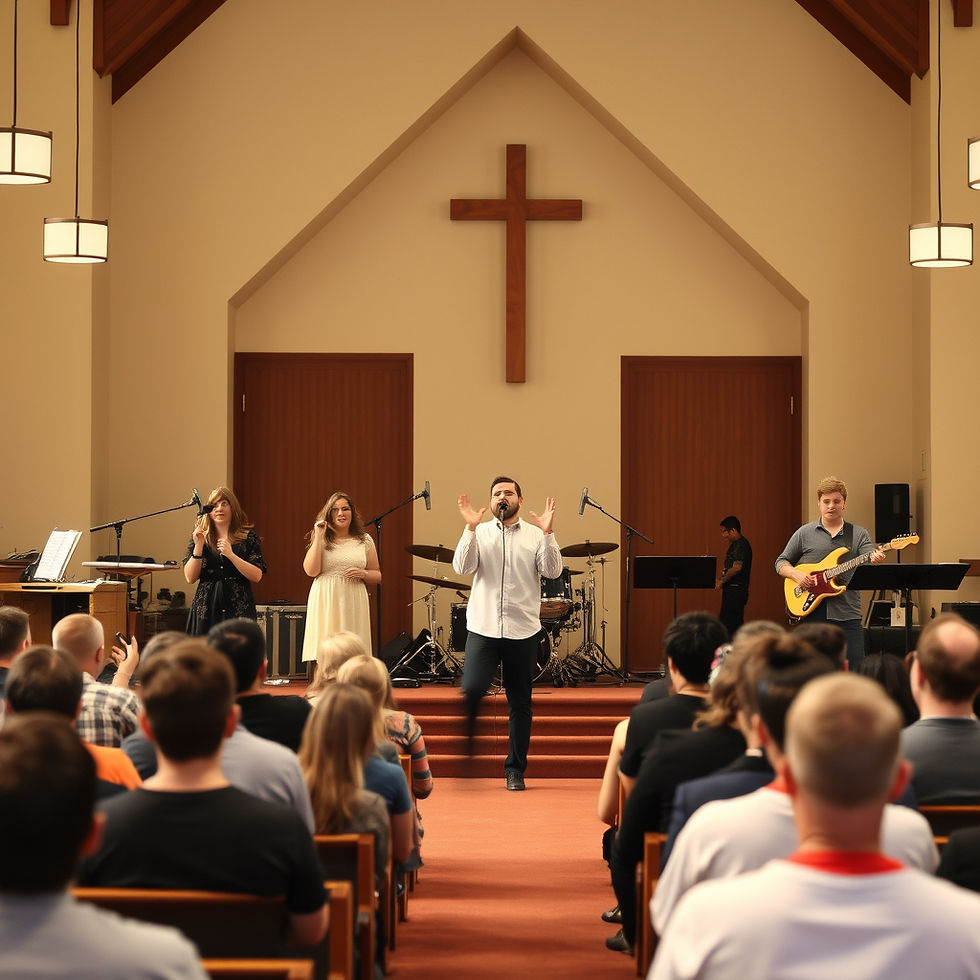
Nourishment is another theme Borg emphasizes, and I have come to see how my life is enriched by both traditional and more personal forms of spiritual sustenance. Borg describes nourishment as occurring in collective practices such as worship, prayer, and retreats, as well as in the simple acts of daily life. For me, leading and participating in worship is one of the most nourishing experiences, where I feel both grounded in the Christian tradition and lifted beyond myself through music and prayer. My practices of meditation and prayer provide daily grounding, and retreats or periods of silence are essential for deepening my connection with God. At the same time, I also experience nourishment through more ordinary aspects of life - caring for my three Tonkinese cats, sharing meals with friends, spending time with those I love, or enjoying the beauty of nature. These simple rhythms remind me of Borg’s suggestion that practices like hospitality, honoring the body, or keeping sabbath moments are also forms of nourishment. One challenge for me, however, is the sheer fullness of my life. Balancing corporate work, ministry, study, leadership in the UCC, and my personal relationships sometimes leaves me stretched thin. Borg’s warning that practices can feel like “chores” if we let them become obligations is a good reminder to keep them rooted in joy and presence, so that they replenish rather than deplete me.
Living “the way” of compassion and justice is perhaps where Borg’s framework most directly intersects with my call to ministry. Borg insists that Christian practice is not only about intimacy with God but also about embodying God’s passion for the world through compassion and justice. I have long felt called to serve LGBTQIA+ people and others who have been hurt by the church, and I see this as an expression of compassion in its deepest sense. At the same time, my involvement in systemic justice work - such as decentering whiteness, liberating Palestine from Israeli genocide (as proponent for this resolution at the last General Synod), and engaging in corporate conversations about equity and inclusion - connects me with Borg’s vision of Christians working for social transformation. He notes that charity is important, but that justice, which questions why there are so many victims in the first place, is essential. This is the difficult, often risky work that I feel drawn into, and it is both exhilarating and exhausting. The challenge here, as Borg reminds us, is to keep our justice work grounded in spiritual practice so that we do not lose heart or burn out.
The supports that sustain me in these challenges and goals are multiple. My church in Phoenix is a diverse and vibrant community that nourishes me even as it stretches me to grow. My monthly meetings with a spiritual director keep me attentive to the Spirit’s movements, while my close circle of spiritual friends provides the kind of anamchara companionship Borg commends. Beyond this, my connection with broader justice movements in the UCC situates me in networks of people who share my commitments and remind me that I am part of a larger “patchwork quilt” of transformation. Borg’s framework helps me to see that my identity, nourishment, and passion for justice are not isolated aspects of my life, but deeply integrated expressions of living the Christian way. Ultimately, my challenge and my joy is to keep paying attention to God in all these dimensions, trusting that through practice, my life will continue to be transformed and used in the service of God’s love.


Comments